Stage Sound Equipment: Core Components and Uses
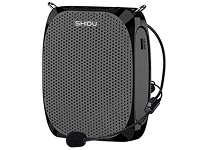
Stage sound equipment brings performers' voices and instruments to an audience with clarity, coverage, and control. A typical live sound system includes microphones or instrument inputs, a mixing console, signal processing, amplifiers, loudspeakers, stage monitors, and the cables and stands that connect them. Portable powered speakers combine an amplifier with a speaker cabinet, while passive systems rely on separate amplification. Subwoofers handle low frequencies, and front-of-house speakers project sound toward the audience. The right configuration depends on venue size, audience layout, performance type, and the number of sound sources. For a solo act, a compact PA may be enough; a band or event production may need multiple speaker zones and a larger mixer. Understanding how each component works together helps shoppers compare complete systems with individual pieces.
- Build a system around venue size and performance needs
- Choose between powered and passive loudspeakers
- Match inputs, amplification, and coverage requirements
PA Speakers, Subwoofers, and Stage Monitors
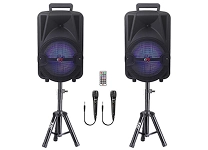
Loudspeakers shape how sound reaches the audience and performers. Full-range PA speakers reproduce a broad frequency range, with common formats including portable molded cabinets and larger wood enclosures. Powered models are convenient for many mobile setups because amplification is built in; passive speakers can suit systems using separate amplifiers and more configurable routing. A subwoofer adds depth for bass-heavy music, while a stage monitor lets performers hear vocals or instruments without relying on the main speakers. Monitor options include wedge speakers, side fills, and in-ear monitoring systems. When comparing speakers, consider output capability, frequency response, dispersion pattern, connection type, weight, and mounting options. Brands such as JBL, QSC, and Yamaha offer products across live sound categories, but specifications and system compatibility should guide selection rather than brand name alone.
- Compare powered and passive speaker designs
- Consider coverage, frequency response, and placement
- Add subwoofers or monitors when the setup calls for them
Mixing Consoles, Amplifiers, and Audio Processing
A mixing console combines microphone and instrument signals, balances their levels, and routes audio to the main PA, monitors, recording outputs, or other destinations. Analog mixers offer hands-on controls, while digital mixers commonly add scene recall, onboard effects, and flexible routing in a compact format. Check the number of microphone preamps and input channels against the performers and likely future needs. Equalization can shape tone, and dynamics tools such as compression help manage level changes. Effects including reverb and delay add space or character when appropriate. With passive speakers, an amplifier must match the speakers' power handling and impedance; powered speakers already contain amplification. Digital signal processors may support crossover settings, speaker protection, and system tuning. Ubuy can help shoppers discover international mixing and processing options when comparing features and connection formats.
- Count inputs and outputs before choosing a mixer
- Check amplifier and passive-speaker compatibility
- Compare routing, effects, and signal-processing tools
Microphones, DI Boxes, Cables, and Wireless Audio
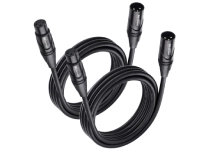
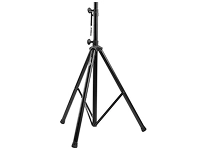
Microphones and stage accessories determine how reliably sound sources enter the system. Dynamic microphones are a common choice for live vocals and loud sources, while condenser microphones can capture detailed acoustic instruments when the setup supports their power requirements. Polar patterns, such as cardioid, influence how a microphone picks up sound and can help manage feedback. Wireless systems pair a transmitter with a receiver, so shoppers should check frequency compatibility, antenna arrangements, battery type, and channel coordination. A DI box converts an instrument's signal for connection to a mixer, and may help with long cable runs or ground noise. Balanced XLR and TRS cables are widely used for professional audio connections; speaker cables are different and should not be substituted for instrument or microphone leads. Stands, clips, windscreens, and spare cables round out a practical stage kit.
- Match microphone type and pickup pattern to the source
- Check wireless system and connector compatibility
- Keep suitable cables, stands, and spare accessories on hand
System Setup, Compatibility, and Care
A dependable stage setup starts with a signal path: source, microphone or DI, mixer, processing, amplifier when needed, and speakers. Confirm connector types, input levels, power requirements, and whether each speaker is powered or passive before combining equipment. Place main speakers to cover the audience while keeping microphones behind the speaker line where practical; position monitors to support performers and reduce feedback risk. Use separate, appropriately rated speaker cables for passive loudspeakers and secure all cables to reduce trip hazards. Before a performance, test each channel at a controlled level and check routing, batteries, and backup connections. After use, wipe equipment with suitable dry materials, coil cables without tight kinks, and store gear in protective cases. Ubuy offers a place to explore international stage audio equipment and accessories while shoppers compare specifications for their setup.
- Map the signal chain and verify every connection
- Position speakers and microphones with feedback in mind
- Inspect, clean, and store equipment carefully
Select the Right stage sound equipment
Start by listing the performers, sound sources, venue conditions, and intended use, whether that is a rehearsal room, mobile DJ setup, spoken-word event, or live band performance. Estimate the mixer inputs needed, then choose speakers with suitable coverage and a practical placement plan. For portability, consider cabinet weight, handles, stands, and built-in amplification; for a more expandable system, assess passive speakers, amplifiers, and processor requirements. Check that microphones, wireless receivers, instruments, and recording devices connect to the chosen mixer, and leave room for additional channels if the setup may grow. Useful comparisons include output and frequency specifications, connection options, controls, and included accessories. Ubuy can be used to discover stage sound equipment from international product ranges. Compare each item's documented specifications and compatibility, then prioritize the features that support reliable performance in your intended environment.
- Define the venue, performers, and intended applications
- Verify connections, power, coverage, and expansion needs
- Compare specifications and included accessories